Critical Approaches
Why we use audience researchThe reason why we use audience research is so that a media product(film, magazine, TV show etc.) can get its worth and profit by targeting specific audiences. You wouldn't want to create a product that wouldn't appeal to any audiences plus you can't really create a product if you don't know what audience you want it to be for or what's the point of even creating the product? Usually marketing will be what makes an ideal audience for shows and films through trailers and posters. Using a poster, trailer or some sort of advert to promote the product, even merchandise will appeal, it will create a bigger audience, say the poster we see that on a wall somewhere and we like the concept of it so we then look online possibly at the trailer and then it hooks us in to want to watch the actual film and occasionally buy some merchandise. It's worth researching an audience because we can understand what content they want and what will make us profit the most as well as keeping the audience entertained at the same time.
How is it used?
How on earth do we research an audience? Well there are hundreds of different ways; surveys, questionnaires, going up to the public and seeing what they like, forums, and so many more. How do we use it? Target audience profiling. In a nut shell a target audience profile is a summary of all your findings, its like combining them all into one file to get a more accurate and concentrated view of your audience in higher detail. Profiling can be created in many different ways such as listing or mind maps or other visual aspects. Audience profiling is as listed below.
Audience profiling:
Socio-economic status
Socio-economic status in simple terminology is the technique of measuring the wealth of an audience with three different classes; upper class, middle class, and working class. This list goes in order according highest to lowest. Upper is obviously the wealthiest because it is the highest class, middle is at a normal moderate standing, and working class is the usual low pay dead-end jobs. How does this effect target audience you ask? Well take a film like fast and furious, that would have all sorts of sponsorships from different car brands, say if you were to create a documentary about supercars then that would aim more to the upper class because of its price, it can target middle and working class because everyone has dreams of course. Conveniently the UK apparently has the most excessive use of TV's, this is according to BARB that "96-97% of the UK population owns a TV." This is pretty much the entirety of the UK so if you were to produce anything you would want to aim for the audience that's greatly populated.

Psychographics
Psychographics is one of two main audience profiling techniques its looking more into the interests of the audience, what the audience would like to see, what they suggest etc. Studying the personality, opinions, attitudes and interests is what Psychographics. In summary its studying the audience lifestyle and hobbies and how they find fulfilment in what what they have paid for, getting their moneys worth. When profiling Psychographics we use these different sections to break down the profiling:
- Explorer's
- Struggler's
- Reformer's
- Aspsirer's
- Resigned
- Mainstreamer's
- Succeeder's
Explorers are defined within the name really, they explore, discover, they are individuals that seek new things and like a bit of adventure, its focused more on the "wild side" as you may know there are a variety different adverts on TV mostly adventurous ones, also outdoor adverts. That promote equipment and other essentials such as tents, outdoor lighting, etc.
Strugglers are people that feel trapped, almost alienated. Oftenly they would seem as though they are the more lowlife typical types of people you find in densely populated areas, not really a great example but stereotypically the lower streets of say Middlesbrough, the places with flats and overly populated people who stay on minimum wage and just make enough to get on in life, possibly take out loans. Loan adverts would be advisable to this audience.
Reformers are the type of people who look for freedom, similar to explorers they feel the need to get by individually without restrictions. They are the more independent people/companies. Reformers look more towards the usual groups, the middle class.
Aspirer's are probably the highest of all the sections, or at least they intend to aim for the higher class of the audience, the richer better off audience. The audience for high class as said recently was the people who aim for supercars, adverts will be promoted for supercars and famous brands etc. these will appeal to the Aspirer's the people who want to spend a bit of cash.
Resigned are the casual audience, they're the survivalists however sometimes rebelling towards authoritative figures, you might sum this audience up as the typical teens, obviously their welbeing is different towards the adult audiences because the income and outcome is different.
Mainstreamers are the normal sheep of the crowd, go for big brands but also the smaller brands, oftenly a media company will advertise to mainstreamers because this audience is the average yet more dedicated audience.
Succeeders are the ones inspired to become the top dog, they wish for control, they pursue to be professional and stride in directions which makes them confident and more dominant the products aimed at this audience will be the most professional as can be, but obviously more costly.
Geodemographics
Geodemographics is more regional than demographics, demographics looks at age, gender, sexual orientation, whereas geodemographics looks at the regional identity of the person, this could be done by the accordance to where they are located. Geography as well all know is about locations all over the world which is why its called geodemographics.
Regional Identity and geodemographics are pretty much the exact same as one another, it focuses on the region or location that the audience is living in, geodemographics however adds a more detailed view of the audience by pinpointing certain factors such as the research data, income, outcome, etc. When its said to be "regional" its focusing on regions obviously, but that doesn't essentially mean worldwide it could mean just one country, or even a town/county it varies depending on the audience, but eventually all data will come as one and into a summarised profile that pinpoints the main points of regions and the audience inside those regions.

Age/Gender/Sexual Orientation
The age of the audience can always vary, could be 16, could be 78, but media products intend to aim for one specific range, mostly 15-45 but it can always change as all audiences have different tastes. Gender and age can always be similar, not enough to be the same obviously but they are two key parts to audience research and a great production. Gender specifically is unintentionally aimed in not many films. Take your common chick flicks for example those are intentionally always meant for a girl audience stereotypically. But of course a male audience can watch them there's no being bias about it however chick flicks are aimed to fulfilling a woman's emotional side. Sexual orientation could technically relate to gender because stereotypically the majority of regions in set countries are straight, however America and Britain is expanding out to promoting the different sexual orientation. In earlier times the sexual orientation research would have been simple because stricter less open, and forgiving times. If you do not know what sexual orientation is then according to: Link: "A person's sexual identity in relation to the gender to which they are attracted"
Overall these three are the main components to a perfect audience profile, however regional identity would fit in this the age/gender/sexual orientation lets you focus your product to not being offensive or bias, it helps you make the most ideal product for the audience, its like saying made by the audience, for the audience.
Mainstream
Mainstream can relate back to when we talked about mainstreamers, they focus on the average things, mainstream alone means the majority. So the majority of the population in a regional area, its focusing on making sure that the content is able enough to become worldwide or hit most countries, even be as wide as possible expanding and being the new talk of the town/world. A producers job is to ensure the production will make a profit and get its money's worth or budget-worth, this is by producers slowly implementing it and shaping it into what they actually want, it can sometimes change a film entirely but it will make it profit more. You will find that all of the big companies do this, Paramount, Warner Bro's, etc. The content might not always be the best but it will spread and be wide enough, a lot of the audience believe that James Cameron's Avatar is overly used CGI and the story to it is just not worth the time but it still became one of the most profitable and worldwide films of all time and to this very day it still makes its profit from a vast variety of merchandise. Typically Star Wars is a great example for mainstream as it is constantly churning out profit even though it was made a long time ago, and sometimes the bigger companies will see that these films were still some of the biggest hits that they will try to re-create or even continue the series of films as Disney have done with Star Wars: The Force Awakens.

Alternative
Alternative as we all know is choosing a different side to which you already had, specifically for media alternative is the use of having a specific target audience and then changing to see if another audience would be interested in it. You will find that this is only really done when a product wants to benefit more and gain more viewers, as the TV show The Big Bang Theory has had done. When it was but a small show, pretty much unheard it was aiming at the "male nerds" which is mostly teens but quite a tricky spot as the views of an audience are not so populatative when it comes to the "nerdy" stereotype. It did gain its popularity of course, but it was one of those shows that could have gone bigger with the content produced so it focused going mainstream and produced episodes that were to have all kinds of humour yet still intriguing the "nerdy" audience.

Niche
Niche's are the less famous films, they don't seem to be the most profitable because they like to be more private and set to one area, niche is being set to a small target audience producing products is a lot easier as your research is compact down because it being a small target audience, you may know the movie Insidious is actually a good example of Niche, it didn't really appeal to many audience and not many people who are seeking horror films, simply because it did not live up to what it was intended. Of course they can always change but it took a 3rd insidious to finally make it scary, the age does come into the picture quite a bit variety wise mostly from horrors because Niche is aiming for the "easy" audience however not meeting expectations for even this small audience could plummet your entire production, it may be hard to meet their expectations but it requires less work because of how small it is. If you do not what a horror is or do not know what the latest ones are, please click here.
How producers carry out audience research
Quantitative and Qualitative Audience Research
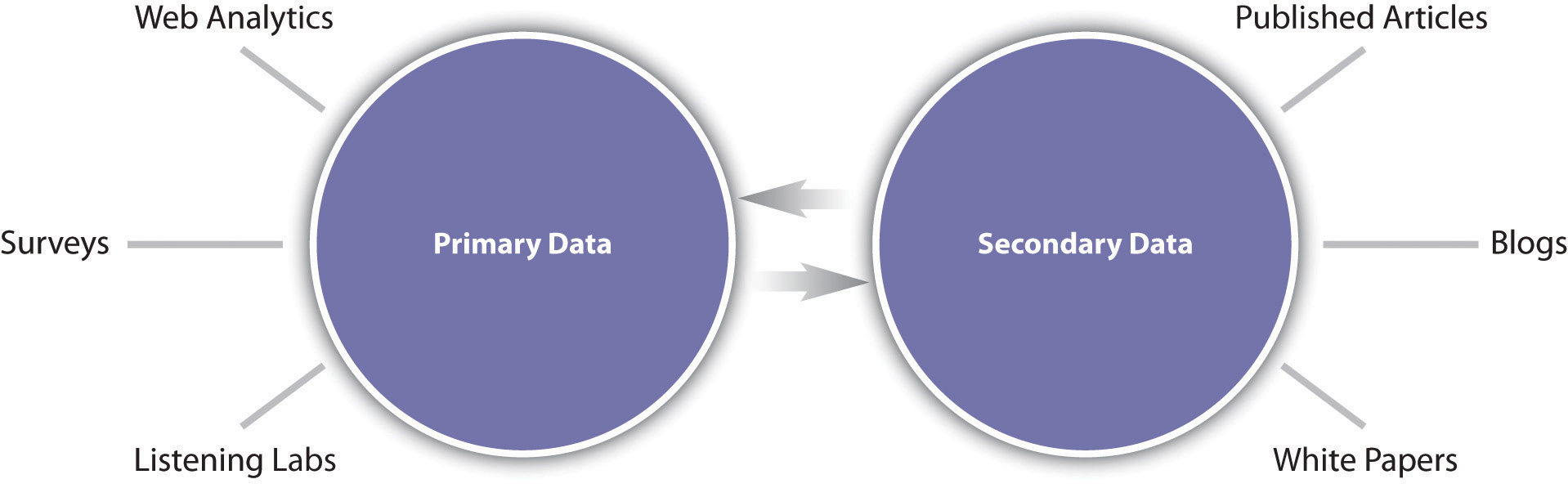
Typically this section talks about the primary and secondary research for audiences in a media product, qualitative is the primary research and quantitative is the secondary, but why you ask? Well Qualitative is the quality and reliability of your work, you could have 500 "think" statistics and 1 "certain" statistic and instantly the 1 certain would win because qualitative is aimed for the most reliable and accurate reading. Quantity can always vary it focuses on getting multiple somewhat reliable readings. As said in the 500-1 example before the 500 would actually win now because its summing out all the various points and putting them together summing everything up.
These two researching techniques are actually extremely simple, quantitative is more the "online, quick" side of research, for example going to a computer collecting statistics and expert quotes into a portfolio, however quantitative may be the fastest but qualitative is the more accurate. Qualitative consists of going out and getting the information for yourself/themselves, say going directly to a scientist for statistics on the latest tested chimps(This is not me approving of animal cruelty its just an example.) If you are unsure to what primary and secondary research actually is please click this Link
BARB
BARB, which may be known as the Broadcasters Audience Research Board is the source of official UK viewing figures, the viewing figures are the measurements of the viewing behaviour. BARB offers media producers specific, accurate breakdowns of the figures as it is crucial to the producer so that they can push their product in the right direction to appealing to the audience. BARB collects its research by selecting a handful of private estates and estimate its viewing pattern therefor how viewing figures are created.
The TV license benefits BARB a lot in this case because not every household might have a TV(which I doubt) but without a doubt keeps their research in keen condition and as accurate as possible. To view what content BARB provides for other producers you could view the website here or you can view an example of a rough reading from BARB here.

RAJAR
Rajar, also known as Radio Join Audience research is the official responsibility for measuring radio audiences consisting in Britain. Since this measures a radio audience its actually helps Radio companies(mostly the BBC which is actually jointly owned) by giving producers the knowledge they may need for specific data for example the population or age, similar to regional identity it shows you where you will find most of the audiences and statistics for the consistency of them. Rajar offers a variety of content for producers and other companies but above all they are known for their databases on things like market trends and population. If you wish to find more out about RAJAR visit the website.
focus groups/face-to-face interviews
Face-to-face interviews are self explanatory, researching with this is classed as qualitative research as its coming from a direct source and using a face to face interview in say a documentary will give the product a fact/possible statistic side to it deeming it more reliable and ethic. It can relate to taking surveys or questionairres, which are always helpful opinion wise and if you are a boss of a job needing to interview an intern then it will let you study them, see what they for potential in the job etc.
Focus groups are also deemed qualitative because its opinion based where it can relate to all types of content and products, it can be a lot more helpful as it is in a group. It's like having a group of film directors, and asking their opinions or attitudes towards a specific item or concept. Obviously it can elaborate in different directions but it gives you a rough idea of everything they think and how some thoughts can relate and others can be completely against one another.


No comments:
Post a Comment