Magazine Case Study
Official Xbox Magazine

Xbox magazine is a gaming magazine that is owned by owned by Xbox who is owned by Microsoft worldwide, the main aspect to this magazine is to inform, entertain and persuade the audience or viewer of the magazine through different offers, deals etc. that Xbox has. It will often give new information to the audience on upcoming games, DLC, and much more. Since Microsoft is already a worldwide company they do not use the Immediate Media company which is basically a promoter of different brands, products etc. that will be delivered worldwide, however Microsoft is its own distributor and has selected stores, as well as various stores they pay to promote their products.


The audience can be varied within each of these magazine's because it varies on games, and information. For example in the magazine above it is firstly showing that its going to present most information to do with the game "Evolve" However this may not be likely, occasionally Xbox likes to release a magazine with keeping updated games on the front cover so that the magazine stays "hip" Keeping to the audience as well can relate on the fonts and colours of a page, as you can see the Xbox One font consistently stays the same, you can tell from both pictures of the magazine but with the lower part of the magazine the font has changed a slight bit. I would also like to point out the theme of the magazine the colours change depending on the subject of the cover, with Evolve its key colour is orange so Xbox has stuck with that colour as well making sure it does not vary off onto a different road.
 Different stories are selected during this magazine there is no main topic to discuss, its about discussing the upcoming games, the currently released games, the HOT games the popular ones on Xbox at the moment, and a bit of insight to the games. It does not just include stories though it can consist with competitions, offers, etc. Certain features would be facts about Xbox as well as giving varied tips to help anyone in a game for example in the magazine below it is about Halo so it will give information to the reader about the game, some secrets, some ratings of the game from other people such as on page 8 of the Halo Xbox One magazine "It's clear that 343 has learned a great deal from redeveloping the early Halo games for the Master Chief Collection" The source is unknown but I believe xbox provided that quote, on the next page it presents you with a Trending section showing where everything is at between the Blue and Red team. You can download this magazine for your own personal view on it from here DOWNLOAD LINK
 Codes and conventions
The header of any Xbox Magazine has always been clear and precise and out there. As mentioned previously the magazine uses one of the subjects they are going to include, on the magazine as well. To appeal more to the other audience(meaning people who are not interested in Halo Guardians) will be interested in The Elder Scrolls Online, The Witcher 3, Batman Arkham Knight, and GTA: Online so it is not leaving anyone out or pushing them away from buying the magazine they will still know what is going on in the magazine, what they should expect so they get their money's worth.
To what I was talking about in the above paragraph is believed as the term as featuring previews, you can see the previews in the bottom of the Halo magazine but can also see them in the background of the red spartan, essentially it is not giving away all the details making the audience want to read more on what is going on and how the magazine might help them.
 Technically Xbox does have a type of "Proof" cover to their Magazine, when I say this I mean it comes with a cover, the magazine comes in a protector that will prevent the magazine from being opened and will make it so you cannot get it wet. This is also a great method for other magazines where they give a special type of bonus to buying the magazine, for example when I bought a Skyrim Xbox magazine which gave me hints, tips and other information on the latest Skyrim DLC "Dawnguard" it gave me a concept book and a diary to the game, it came in handy when I played the game because I then knew what was going on which is another reason why the target audience might be intrigued to buy the magazine to receive this bonus loot. The good thing about Xbox magazine is when they do these types of offers they are exclusive to just the magazine, you cannot buy them from any other place(besides second hand).
Xbox do often receive complaints and reviews online but I cannot say Xbox magazine really receives them much. Microsoft have created a forum for the magazine section to their Xbox products where polls, questionnaires and surveys can be taken and then the producers will look at them and modify the magazine in various ways to suit audience and be less offensive if it has been deemed they are offensive.
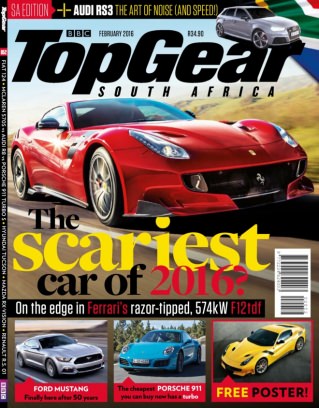
 Moving on from Xbox One Magazine, we are now going to look at a completely different magazine, Top Gear. Top gear is a car and moto magazine that gives ultimate information from experts of their pick of cars, each of the magazines can vary weekly in different events, such as super cars, to sports classics. In the magazine above it is actually an "Ultimate garage" magazine which is a special one off. Unlike Xbox Top gear do not consist with some of the same events, obviously they are not going to feature the same car twice they take it to the next level go a car up or a car somewhere so extreme, but back to talking about the ultimate garage. The ultimate garage is a collection of top cars from the experts of Top Gear.
 Moving away from the experts a bit I would like to talk about the presentation of the magazine if you look in the magazine above you can tell a big difference from it if we compare it to the one below, as I have mentioned recently in the Xbox magazine that the title did not change at all or it only changed depending on the topic of the front cover, as you can see once again comparing the two magazines the title has only changed colour, also has had a rearrange of the BBC logo in the top left. The customization of the page does vary from time to time but you will see over time it stays the same for location:
Picture = Middle
Title/Header = Top
Description = Bottom
Top Gear keeps this consistency throughout each of their magazines but I would like to point out the picture has so much room for itself because of what is provided in it in the above magazine it is a few cars covered in snow and ice so for a start this will catch the audience thinking it has something to do with winter or ice, and then if you read the big bold title "SUPERCARS ON ICE!!" you then see what it is going to be about. Another thing to point out on is the big bold font, it is out there and has a stroke effect to make the readers know to look here first, where all the colour is at.
 To conclude to this section of Top Gear I'd like to mention the footer or header of each of the magazines. I'm not talking about the title, I mean the car in the top right of the two magazines above and below. This is where the Top Gear Show comes into it, Top Gear of course is a car and moto show that visits 3 presenters talking about cars and testing them. The reason for the header and the text in them is from the show, basically inside of the magazine will be a certain bonus item, like a link or code to a video for the purchaser of the magazine to view the video. For example below "TGTV is back! surrender your sundays exclusive series 22 preview inside!" This is giving a special preview to the next magazine of the series which is why I'd like to move further down the page to where it say's World Exclusive. Top Gear is a BBC based show which if you didn't already know is a UK based company, but how does the Magazine become exclusive? Through Immediate Media Company. Immediate has been mentioned recently where the company promotes other content worldwide making it possible for everyone to purchase the magazine in their local stores. A download link has been provided if you would like to view this world exclusive magazine DOWNLOAD LINK
 Codes and Conventions
Finishing off with the codes and conventions of the Top Gear magazine instantly looking at the header shows how different it can be to other magazines such as Xbox, it presents content to the audience in a specific and intriguing way that will persuade them to buy the magazine, for example the one I recently used has a great use of imagery, presenting the 3 Top Gear Producers kind of the heart and soul of the Top Gear Franchise. A feature of each magazine that has been made by Top Gear has various and interesting facts about cars, prices etc. It includes a vast amount of imagery and colours which we can also pick up on going along with the leading car the LaFerrari but I did not know that car was a Ferrari till I saw the clear logo and text above it.
With various other magazines there are usually pages at the back that contains different types of merchandise and references for the audience or reader to refer to later on or possibly join the Top Gear crew. This is a source of promotion and advertising within the entire company because it is using adverts in the magazine for itself.
 Top Gear magazine was not just formed over night, it had many retries to make it better, however the producers of the magazine did not receive personal opinions of the magazine online, they received ratings and figures. When I say this I simply mean when a Top Gear magazine is dispatched to various stores the stores will take down note of the sales, and then those figures will be returned to the producers so they can see how much of a sale they are making with them, then ratings can be made through YouTube videos or surveys on the web which is where producers will also go to receive feedback, I recently used a website called surveymonkey basically it gives me an option to create a questionnaire or survey for people to answer, I made an age group option, a gender, and a rating question for the users who took it. I came back with varied responses and you would find the more young 16-30 males prefer racing magazines and other magazines related.


The header of any Xbox Magazine has always been clear and precise and out there. As mentioned previously the magazine uses one of the subjects they are going to include, on the magazine as well. To appeal more to the other audience(meaning people who are not interested in Halo Guardians) will be interested in The Elder Scrolls Online, The Witcher 3, Batman Arkham Knight, and GTA: Online so it is not leaving anyone out or pushing them away from buying the magazine they will still know what is going on in the magazine, what they should expect so they get their money's worth.
To what I was talking about in the above paragraph is believed as the term as featuring previews, you can see the previews in the bottom of the Halo magazine but can also see them in the background of the red spartan, essentially it is not giving away all the details making the audience want to read more on what is going on and how the magazine might help them.

Xbox do often receive complaints and reviews online but I cannot say Xbox magazine really receives them much. Microsoft have created a forum for the magazine section to their Xbox products where polls, questionnaires and surveys can be taken and then the producers will look at them and modify the magazine in various ways to suit audience and be less offensive if it has been deemed they are offensive.
Top Gear Magazine


Picture = Middle
Title/Header = Top
Description = Bottom
Top Gear keeps this consistency throughout each of their magazines but I would like to point out the picture has so much room for itself because of what is provided in it in the above magazine it is a few cars covered in snow and ice so for a start this will catch the audience thinking it has something to do with winter or ice, and then if you read the big bold title "SUPERCARS ON ICE!!" you then see what it is going to be about. Another thing to point out on is the big bold font, it is out there and has a stroke effect to make the readers know to look here first, where all the colour is at.
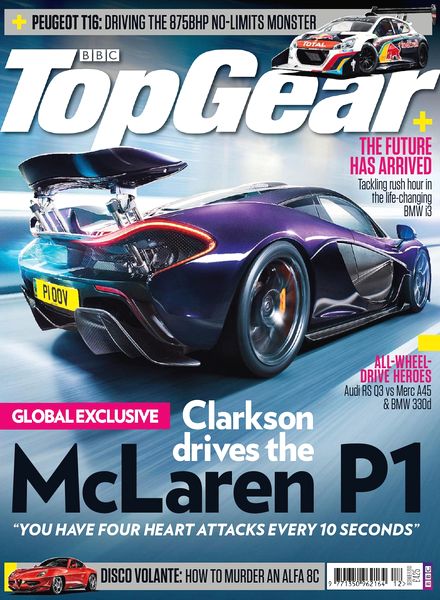

Finishing off with the codes and conventions of the Top Gear magazine instantly looking at the header shows how different it can be to other magazines such as Xbox, it presents content to the audience in a specific and intriguing way that will persuade them to buy the magazine, for example the one I recently used has a great use of imagery, presenting the 3 Top Gear Producers kind of the heart and soul of the Top Gear Franchise. A feature of each magazine that has been made by Top Gear has various and interesting facts about cars, prices etc. It includes a vast amount of imagery and colours which we can also pick up on going along with the leading car the LaFerrari but I did not know that car was a Ferrari till I saw the clear logo and text above it.
With various other magazines there are usually pages at the back that contains different types of merchandise and references for the audience or reader to refer to later on or possibly join the Top Gear crew. This is a source of promotion and advertising within the entire company because it is using adverts in the magazine for itself.